Scientific news

Science to the rescue of heritage

A historical legacy and an ‘irreplaceable source of life and inspiration’, our cultural heritage now constitutes a major part of our history. Discover how a multitude of scientific disciplines have mobilised to conserve and transmit our heritage to future generations.

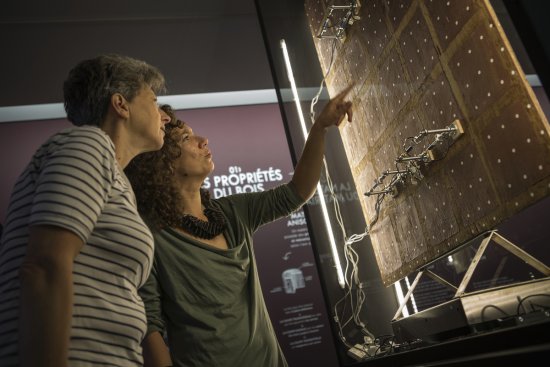
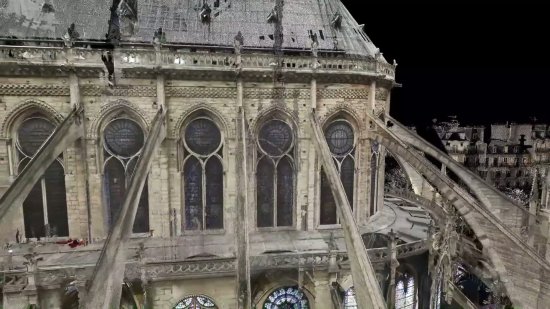
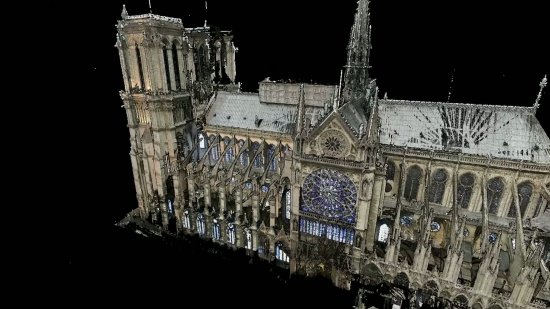
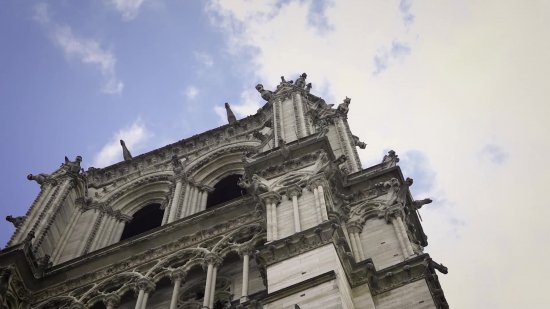
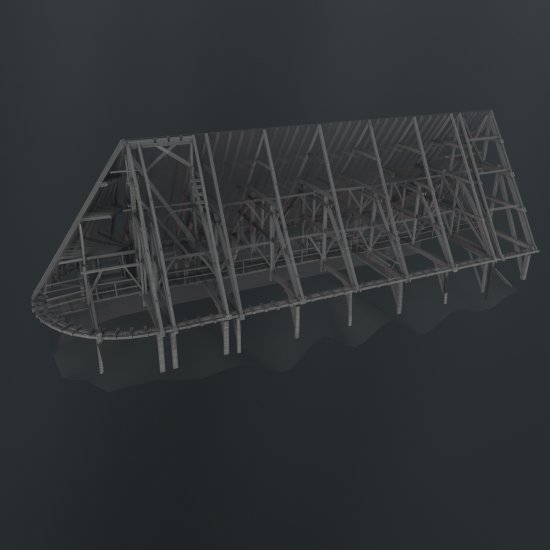
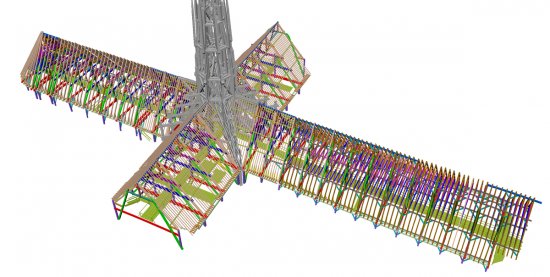
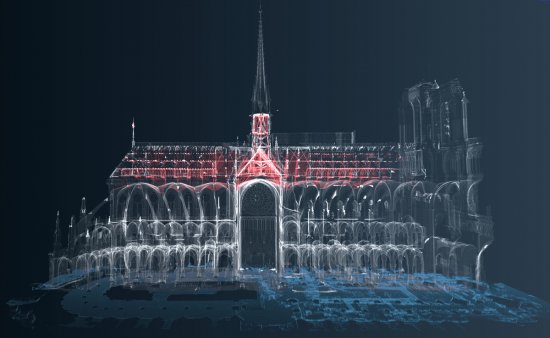
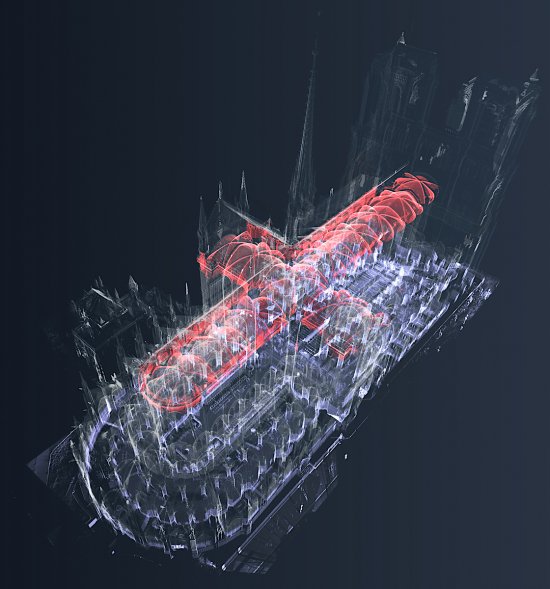
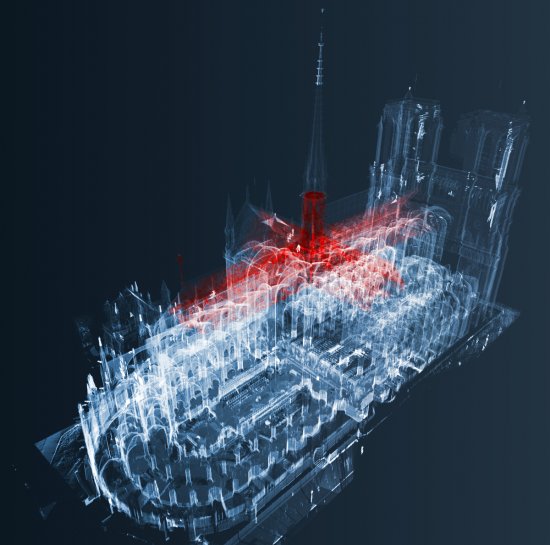
A closer look at the 3D reconstruction of the roof timbers of Notre-Dame Cathedral in Paris.

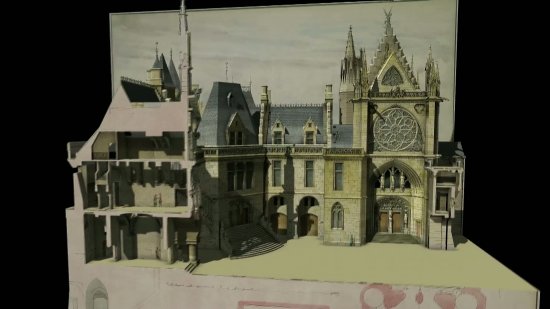
© Kévin JACQUOT / MAP / Vassar College / AGP / GEA / Chantier Scientifique Notre-Dame de Paris / Ministère de la culture / CNRS

View the media
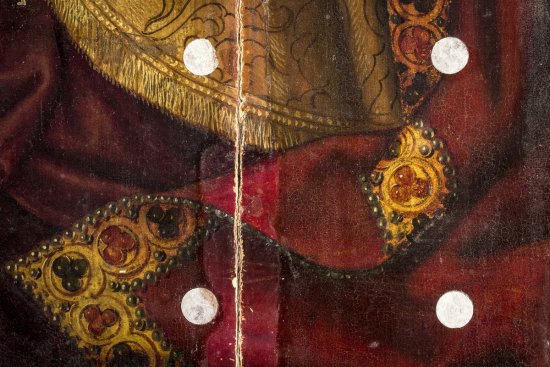
Linking fundamental with applied research, the heritage sciences work on a cross-disciplinary basis not only to identify the materials and techniques used by the creators of this heritage, but also to analyse the phenomena that alter or destroy it over time.

The research covers all types of heritage, whether physical, intangible or digital, and encompasses all the areas of intervention of the professionals working to conserve it and explain it to the public.

Article by CNRS News

Video on the Notre-Dame scientific site

Open media modal
Only available for non-commercial distribution

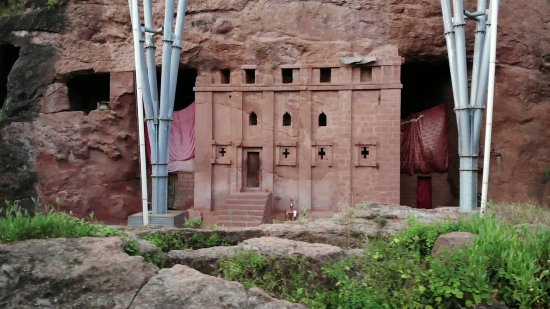
Cité creusée dans la roche (La )

A Franco-Ethiopian research team is attempting to understand the complex past of Lalibela, located in Ethiopia, one of the most important Christian sites in Africa. The aim of this partnership is to identify the progressive stages of excavation of the eleven churches on the site in order to study the history of Lalibela throughout its existence. Alongside the archaeological excavations, a digitisation project is underway. Engineers are working on the internal and…

Video
6861
Cité creusée dans la roche (La )
Open media modal
For any commercial distribution contact the executive producer

Only available for non-commercial distribution

Architecture inspired by life

During the course of its evolution, the living world has developed casings with astonishing properties (thermal regulation, insulation, water recovery, etc.). These unique technologies are now inspiring many architects faced with the constraints of contemporary construction.

Video
7741
Architecture inspired by life
Open media modal
Following Jean-Claude Golvin's drawings

In this three-part film, Jean-Claude Golvin, architect-archaeologist, explains his representation methods of ancient sites and monuments. In the first part, we follow, without comments, the architectural representation of the emperor's Tiberius villa Jovis in Capri, from the very beginning: the first outlining of the borders of the building with pencil and later the painting of the villa on aquarelle. in the second part, Jean-Claude Golvin gives a description of this architectural…

Video
1816
Following Jean-Claude Golvin's drawings
Open media modal
Only available for non-commercial distribution

Notre-Dame de Paris et son double virtuel

La réalité virtuelle se met au service de la science. La cathédrale Notre-Dame de Paris a été entièrement numérisée par les chercheurs du CNRS, qui peuvent désormais s'immerger dans le double virtuel de l'édifice. A la Cité de l'architecture et du patrimoine, à Paris, les scientifiques accèdent à des matériaux désormais détruits ou à des parties inaccessibles de la cathédrale.

Video
7920
Notre-Dame de Paris et son double virtuel
Open media modal
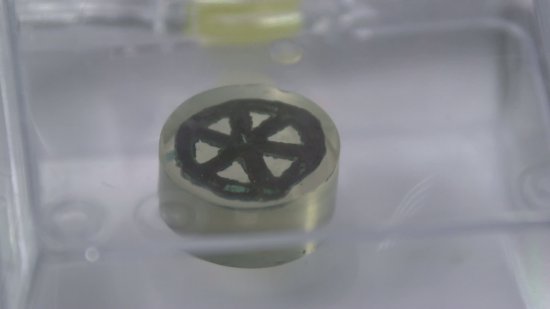
Only available for non-commercial distribution

Notre-Dame de Paris: a vessel of stone and iron
Two years after the fire of 15 April 2019, Notre-Dame will be the venue of a huge scientific investigation to uncover the cathedral's secrets and to help restore it. In this film, discover how researchers are drawing information from stone and iron to understand how the original builders constructed a cathedral that was much taller than its contemporaries. The ""iron"" team is focused on the remains of the upper part of the cathedral and the nails of the roof frame, using…

Video
7172
Notre-Dame de Paris: a vessel of stone and iron
Open media modal

Only available for non-commercial distribution

Sélection d'images : le chantier scientifique de la cathédrale Notre-Dame de Paris

A series of 17 videos created by the teams from the ""Digital Data"" working group of the Notre-Dame de Paris scientific site (Ministry of Culture/CNRS) which was formed following the fire on 15 April 2019. The aim is to build a ""digital ecosystem"" of the cathedral that provides useful information for the restoration work as well as updating the knowledge of the building. It involves teams from around fifty laboratories throughout France. …

Video
7103
Sélection d'images : le chantier scientifique de la cathédrale Notre-Dame de Paris
Open media modal

Only available for non-commercial distribution

Notre-Dame: Building a Digital Monument

How can Notre-Dame's stone, woodworks and stained glass be restored in the best possible manner? A large scientific collaboration bringing together more than 50 research teams has begun to study the iconic cathedral damaged by fire a year ago. A digital data team has also joined forces to create a digital backup of the edifice and develop tools that will collect all available information about it.

Video
6934
Notre-Dame: Building a Digital Monument
20180112_0001
Open media modal
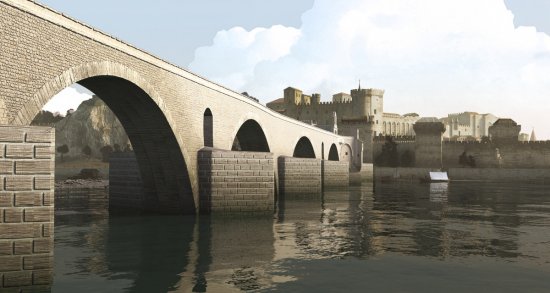
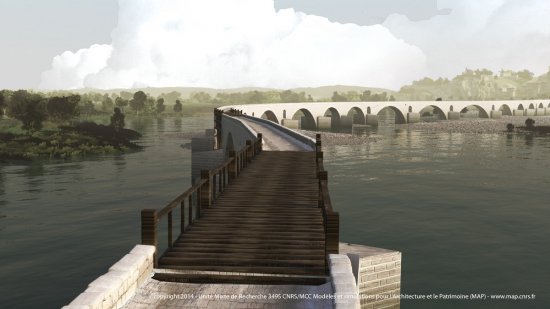
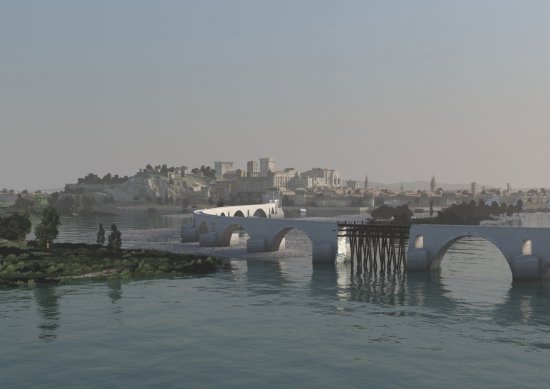
Hypothèse de restitution 3D du pont Saint-Bénézet complet, tel qu'il était au Moyen-Âge

Hypothèse de restitution 3D du pont Saint-Bénézet complet, communément appelé pont d'Avignon, tel qu'il était au Moyen-Âge avant son effondrement entre le XVe et le XVIIe siècle. Cette image a été créée dans le cadre du projet PAVAGE, projet de numérisation et de modélisation 3D du pont d'Avignon. Celui-ci a mobilisé cinq laboratoires du CNRS, rassemblant une quarantaine de chercheurs provenant d’horizons différents – des historiens, des architectes, des ingénieurs, des archéologues, ainsi que…

Photo
20180112_0001
Hypothèse de restitution 3D du pont Saint-Bénézet complet, tel qu'il était au Moyen-Âge
20180002_0007
Open media modal
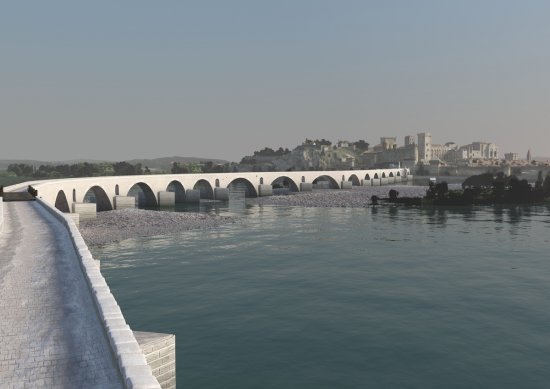
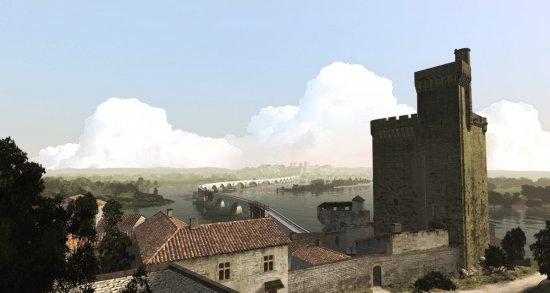
Hypothèse de restitution 3D du pont Saint-Bénézet complet, tel qu'il était au Moyen-Âge

Hypothèse de restitution 3D du pont Saint-Bénézet complet, communément appelé pont d'Avignon, tel qu'il était au Moyen-Âge avant son effondrement entre le XVe et XVIIe siècle. Cette image a été créée dans le cadre du projet PAVAGE, projet de numérisation et de modélisation 3D du pont d'Avignon. Celui-ci a mobilisé cinq laboratoires du CNRS, rassemblant une quarantaine de chercheurs provenant d’horizons différents – des historiens, des architectes, des ingénieurs, des archéologues, ainsi que des…

Photo
20180002_0007
Hypothèse de restitution 3D du pont Saint-Bénézet complet, tel qu'il était au Moyen-Âge
Open media modal

Only available for non-commercial distribution

Mercurio

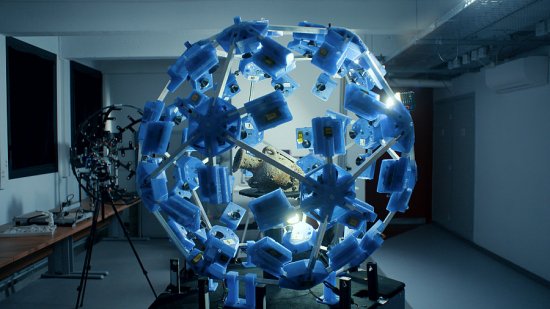
A spin-off of the Models and Simulations for Architecture and Heritage laboratory (CNRS/Ministère de la Culture), the start-up Mercurio proposes a scanner to quickly and autonomously create realistic 3D models of art objects of all sizes, ranging from a vase to a sculpture. A new way to enhance museum collections.

Video
6742
Mercurio
20180002_0004
Open media modal
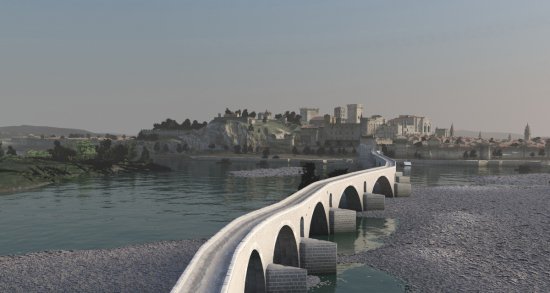
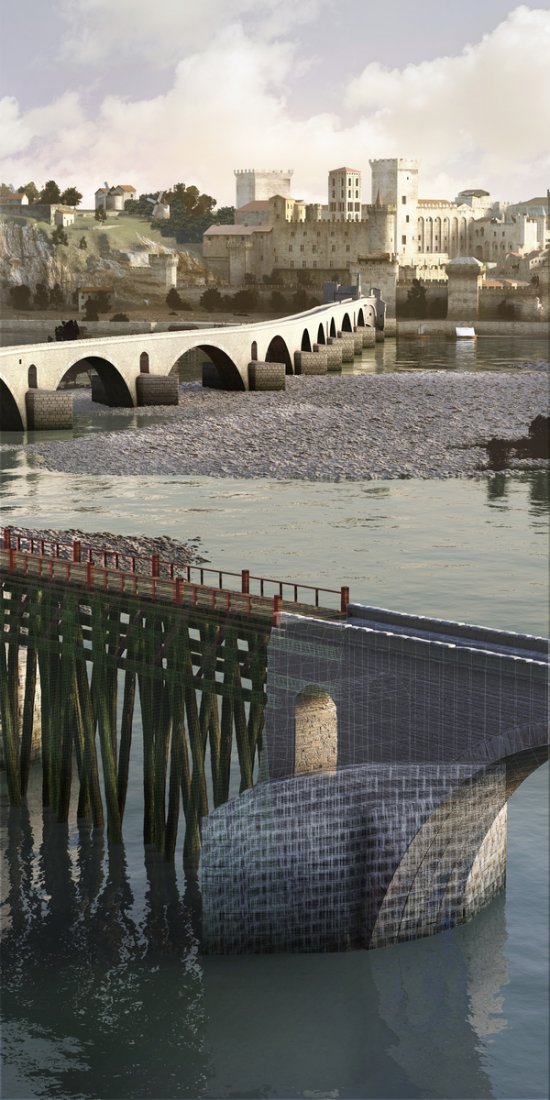
Hypothèse de restitution 3D du pont Saint-Bénézet complet, tel qu'il était au Moyen-Âge

Hypothèse de restitution 3D du pont Saint-Bénézet complet, communément appelé pont d'Avignon, tel qu'il était au Moyen-Âge avant son effondrement entre le XVe et XVIIe siècle. Cette image a été créée dans le cadre du projet PAVAGE, projet de numérisation et de modélisation 3D du pont d'Avignon. Celui-ci a mobilisé cinq laboratoires du CNRS, rassemblant une quarantaine de chercheurs provenant d’horizons différents – des historiens, des architectes, des ingénieurs, des archéologues, ainsi que des…

Photo
20180002_0004
Hypothèse de restitution 3D du pont Saint-Bénézet complet, tel qu'il était au Moyen-Âge
20180002_0003
Open media modal
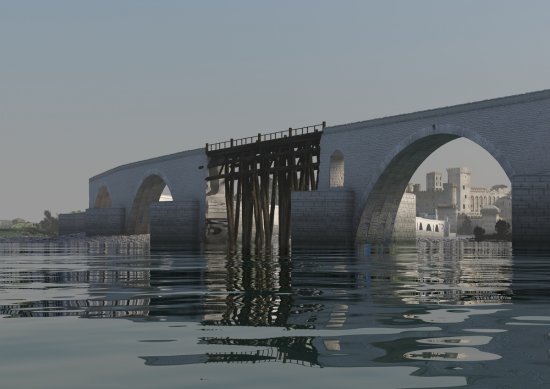
Hypothèse de restitution 3D du pont Saint-Bénézet complet, tel qu'il était au Moyen-Âge

Hypothèse de restitution 3D du pont Saint-Bénézet complet, communément appelé pont d'Avignon, tel qu'il était au Moyen-Âge avant son effondrement entre le XVe et XVIIe siècle. Cette image a été créée dans le cadre du projet PAVAGE, projet de numérisation et de modélisation 3D du pont d'Avignon. Celui-ci a mobilisé cinq laboratoires du CNRS, rassemblant une quarantaine de chercheurs provenant d’horizons différents – des historiens, des architectes, des ingénieurs, des archéologues, ainsi que des…

Photo
20180002_0003
Hypothèse de restitution 3D du pont Saint-Bénézet complet, tel qu'il était au Moyen-Âge
Open media modal
Fiat Lux, casting light on heritage

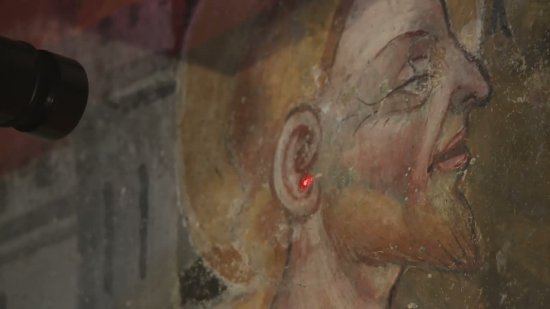
As part of the Fiat Lux scientific project, the painted decorations of the chapel of Notre-Dame-des-Fontaines are studied by a team of interdisciplinary researchers. Using LIBS, they will be able to identify the chemical elements that make up the pictorial materials among all those in Mendeleev's periodic table. Many other tools are used in this project designed to capture and disseminate heritage in a new way in the digital age.

Video
6497
Fiat Lux, casting light on heritage
Open media modal

Only available for non-commercial distribution

Mystery of the Acoustic Pots (The)

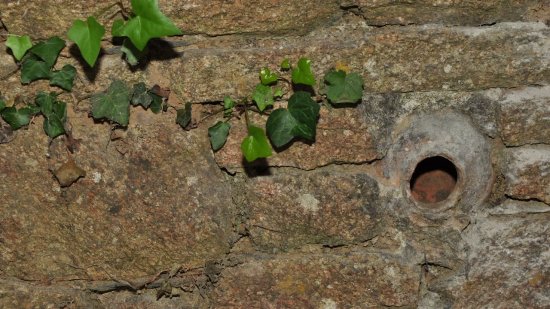
The "abbey of the angels" (abbaye Notre-Dame-des-Anges), built in the sixteenth century on the coast of western France, contains within its walls an exceptional collection of acoustic jars. What were they for? A team of archaeologists, acousticians, historians and musicologists have been trying to understand the technical and symbolic functions of this ingenious device.

Video
6421
Mystery of the Acoustic Pots (The)
Open media modal

Only available for non-commercial distribution

Mysterious Ruins of Loropeni (The )

Discovered in 1902, the ruins of Loropeni represent the only witnesses of a fortification activity in the region of Lodi, in Burkina Faso. To discover the secrets of this archaeological construction, an international research team was established. At the intersection of several disciplines and research methodologies, this team tries to understand the history of this site.

Video
4959
Mysterious Ruins of Loropeni (The )
Open media modal
Modelling heritage sites in 3D

To mark the bicentenary of Eugène Viollet-le-Duc's birth, the MAP laboratory (Models and simulations for architecture and heritage) and its teams worked on 3D models of elements from the City of Carcassonne and Pierrefonds Castle. In order to carry out these models, they used drones and numerical tools developed by the laboratory. Part of this work will be presented in an exhibition entitled "Viollet-le-Duc[Trait pour trait/Viollet-le-Duc, line for line]" at the Cité de Carcassonne from June…

Video
4238
Modelling heritage sites in 3D
Open media modal

Only available for non-commercial distribution

3D printed house (The)

A new type of house has just been built in the Nantes neighbourhood of La Bottière. This is the first house in the world designed and built using 3D printing. This so-called Yhnova project is the result of the collaboration of researchers in robotics and civil engineering at the CNRS and the University of Nantes. Once a digital model of the house has been created, the robots can take over the construction of the walls of the building running on a BATIPRINT 3D technology developed by Nantes…

Video
6444
3D printed house (The)
Open media modal

Only available for non-commercial distribution

Film for consultation only

On the track of builders in Oman

In Oman, a team of French scientists is performing extensive excavations at the site of Salut at the gates of the Arabian Desert. They are studying a monumental structure, the latest evidence of an ancient civilization of which almost nothing is known. Excavations uncovered a tower of large proportions, 30 metres in diameter, and two defensive ditches surrounding the building on the outside. There are good grounds to believe that the tower which is more than 5000 years old was built to protect…

Video
6722
On the track of builders in Oman
Open media modal
Cité de Carcassonne (La)

Au XIXe siècle, le Moyen Age connait un retour en grâce, sous l'effet d'une revalorisation du patrimoine français et de courants artistiques tels que le romantisme. Ce regain d'intérêt est marqué par de grandes campagnes de restaurations de monuments médiévaux. C'est dans ce contexte que s'inscrit l ' oeuvre de l'architecte Eugène Viollet-le-Duc et la restauration de la cité de Carcassonne, chantier colossal qui dura plus de 60 ans. Olivier Poisson, conservateur général du patrimoine, nous…

Video
4239
Cité de Carcassonne (La)
Open media modal
Castle of Pierrefonds (The)

When the architect Eugène Viollet-le-Duc undertook the renovation of Pierrefonds castle in 1857 at the request of Napoleon III, it was in a state of ruin. This remarkable fortress was one of the greatest castles of the 15th century. The historian Jean-Paul Midant guides us through the different restored parts of the place-forte and unveils the singular conception of the restoration envisaged by Viollet-le-Duc, between restitution and innovation. For the architect, restoring a monument was more…

Video
4240
Castle of Pierrefonds (The)
Open media modal
Yvan's masterpiece

In May 2005, Yvan presented his masterpiece to the Compagnons Passants and graduated as a journeyman. According to the traditions of these craftesmen his new name is Tenacity of the Camargue, Honest Journeyman, Stonemason of Duty.To prove his abilities and to be accepted as a Compagnon du Tour de France, Yvan Vigouroux, stonemason with the Centre for Alexandrian Studies, must produce a master work. He has chosen to create an element of Islamic architecture, a mihrab. While leading us through…

Video
4131
Yvan's masterpiece
Open media modal
Fort Saint-Jean in Marseille

Fort Saint-Jean is of great importance in Marseille because this site is the founding point of the city. A reconstruction of this building and the Saint Laurent church is undertaken using modelling techniques to better understand its history, because it was transformed and destroyed so many times in 26 centuries. Myriame Morel, historian and curator of the MuCEM, and Michel Florenzano, architect and former director of the MAP, share their research outcomes on different sources of…

Video
4068
Fort Saint-Jean in Marseille
Open media modal
Astonishing Skyscrapers of Villeurbanne (The)

Built from 1931 to 1934, the skyscrapers of Villeurbanne are the symbol of an architectural policy to oppose Lyon's hegemonic drive and one of the rare applications on this scale of socialist and hygienic utopias. Anne-Sophie Clémençon, urban morphology historian at the"Environment, City, Society" laboratory, studied this original architectural achievement. It was the socialist mayor and medical doctor, Lazare Goujon, who decided to establish the identity of his city of Villeurbanne…

Video
4064
Astonishing Skyscrapers of Villeurbanne (The)
Open media modal
Newly designed housing materials

Whether it is for their thermal performance, their aesthetic qualities or in terms of life comfort, the new solutions sought in the building industry have aimed at reconsidering in an innovative way the use of materials known since long ago, and also new materials with interesting properties. Patrick Perré, a materials engineer at LGPM, process and materials engineering laboratory, explains the advantages of using wood for construction. Wood is a mechanically rigid and sturdy material…

Video
4060
Newly designed housing materials
Open media modal
3D City (The )

This video shows how for Lyon, or Saint-Ouen, the use of digital technology is now essential in architecture and urban planning. For heritage preservation or for previewing purposes, modelling either existing environments or projects is a valuable decision-making aid. Renato Saleri, urban architect at the MAP, a joint laboratory of the CNRS and the Ministry of Culture and Communication, explores the techniques and tools used in the modelling work on the old Lyon city section for heritage…

Video
4059
3D City (The )
Open media modal
Familistère de Guise (The)

In the 19th century, Jean-Baptiste André Godin, a socialist captain of industry, decided to bring to his workers the products of their work, as an equivalent of wealth. He became an architect and built the Familistère in Aisne, where 2000 people lived on for nearly a century. Michel Lallement, sociologist, introduces J.-B. A. Godin and explains his approach. It was not a utopian construct but rather a practical project, a model of life building upon a reformed housing improving the health…

Video
4058
Familistère de Guise (The)
20130001_1877
Open media modal
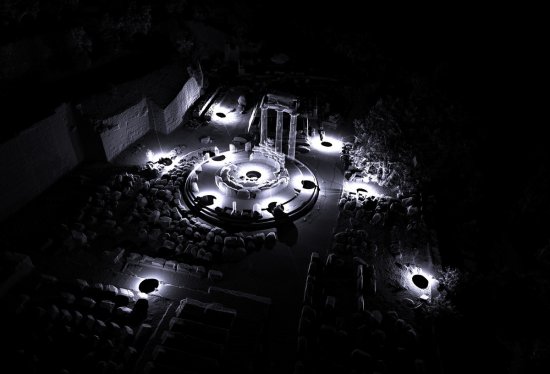
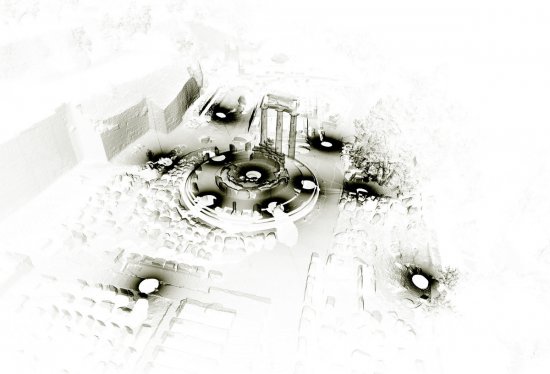
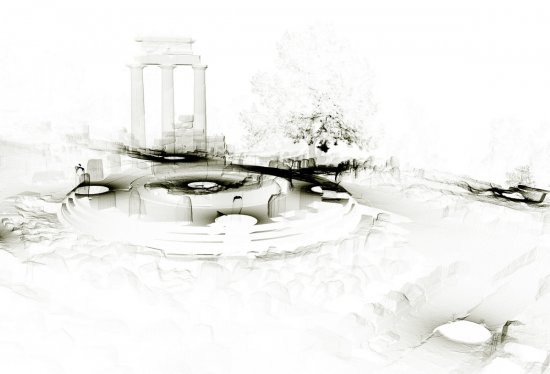
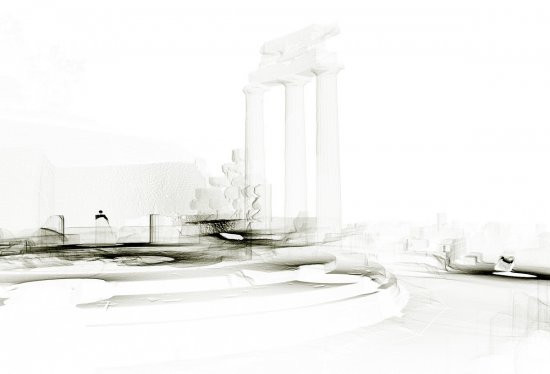
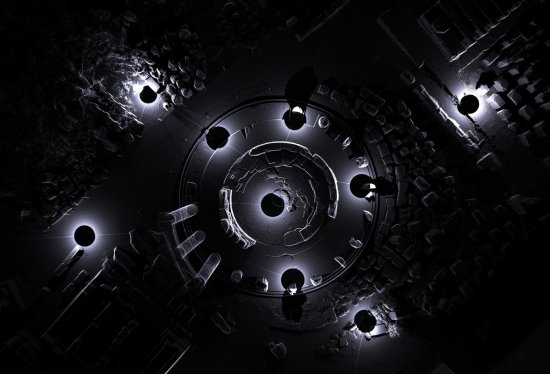
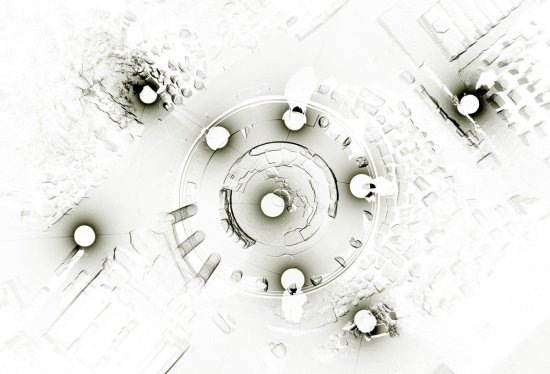
Image 3D obtenue suite à la numérisation par balayage laser du site de la tholos de Delphes, une rot

Image 3D obtenue suite à la numérisation par balayage laser du site de la tholos de Delphes, une rotonde d'ordre dorique datant des années 380-370 avant J.-C., située sur la terrasse d'Athéna Pronaia, près de Delphes en Grèce. Cette image a été réalisée dans le cadre du projet interdisciplinaire HuMaIn (Humanités - mathématiques - sciences de l'information) en partenariat avec l'EFA (Ecole Française d'Athènes). Ce projet a pour objet la numérisation 3D d'artefacts patrimoniaux, en particulier…

Photo
20130001_1877
Image 3D obtenue suite à la numérisation par balayage laser du site de la tholos de Delphes, une rot
20130001_1876
Open media modal
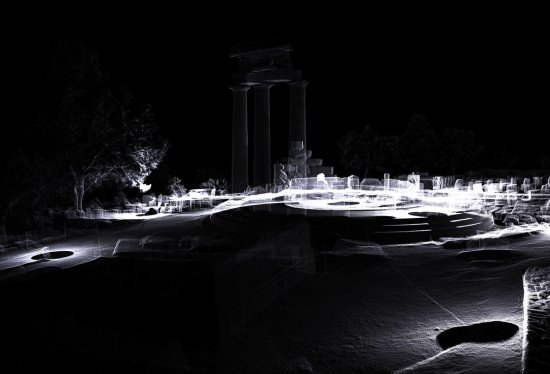
Image 3D obtenue suite à la numérisation par balayage laser du site de la tholos de Delphes, une rot

Image 3D obtenue suite à la numérisation par balayage laser du site de la tholos de Delphes, une rotonde d'ordre dorique datant des années 380-370 avant J.-C., située sur la terrasse d'Athéna Pronaia, près de Delphes en Grèce. Cette image a été réalisée dans le cadre du projet interdisciplinaire HuMaIn (Humanités - mathématiques - sciences de l'information) en partenariat avec l'EFA (Ecole Française d'Athènes). Ce projet a pour objet la numérisation 3D d'artefacts patrimoniaux, en particulier…

Photo
20130001_1876
Image 3D obtenue suite à la numérisation par balayage laser du site de la tholos de Delphes, une rot
20130001_1873
Open media modal
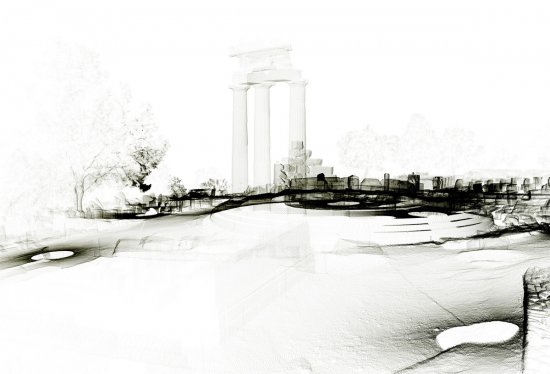
Image 3D obtenue suite à la numérisation par balayage laser du site de la tholos de Delphes, une rot

Image 3D obtenue suite à la numérisation par balayage laser du site de la tholos de Delphes, une rotonde d'ordre dorique datant des années 380-370 avant J.-C., située sur la terrasse d'Athéna Pronaia, près de Delphes en Grèce. Cette image a été réalisée dans le cadre du projet interdisciplinaire HuMaIn (Humanités - mathématiques - sciences de l'information) en partenariat avec l'EFA (Ecole Française d'Athènes). Ce projet a pour objet la numérisation 3D d'artefacts patrimoniaux, en particulier…

Photo
20130001_1873
Image 3D obtenue suite à la numérisation par balayage laser du site de la tholos de Delphes, une rot
20130001_1872
Open media modal
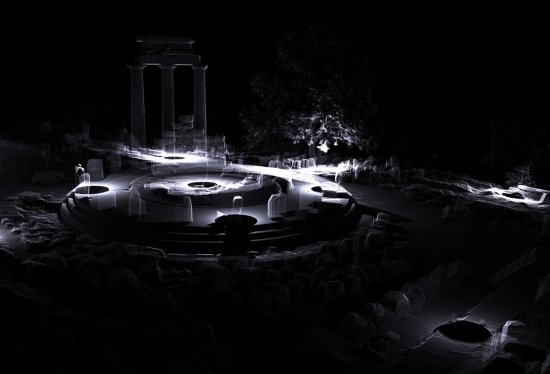
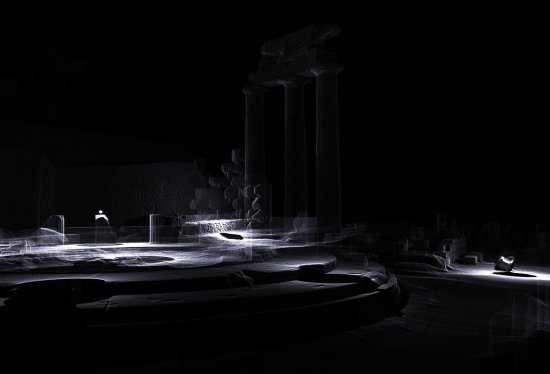
Image 3D obtenue suite à la numérisation par balayage laser du site de la tholos de Delphes, une rot

Image 3D obtenue suite à la numérisation par balayage laser du site de la tholos de Delphes, une rotonde d'ordre dorique datant des années 380-370 avant J.-C., située sur la terrasse d'Athéna Pronaia, près de Delphes en Grèce. Cette image a été réalisée dans le cadre du projet interdisciplinaire HuMaIn (Humanités - mathématiques - sciences de l'information) en partenariat avec l'EFA (Ecole Française d'Athènes). Ce projet a pour objet la numérisation 3D d'artefacts patrimoniaux, en particulier…

Photo
20130001_1872
Image 3D obtenue suite à la numérisation par balayage laser du site de la tholos de Delphes, une rot
20130001_1869
Open media modal
Image 3D obtenue suite à la numérisation par balayage laser du site de la tholos de Delphes, une rot

Image 3D obtenue suite à la numérisation par balayage laser du site de la tholos de Delphes, une rotonde d'ordre dorique datant des années 380-370 avant J.-C., située sur la terrasse d'Athéna Pronaia, près de Delphes en Grèce. Cette image a été réalisée dans le cadre du projet interdisciplinaire HuMaIn (Humanités - mathématiques - sciences de l'information) en partenariat avec l'EFA (Ecole Française d'Athènes). Ce projet a pour objet la numérisation 3D d'artefacts patrimoniaux, en particulier…

Photo
20130001_1869
Image 3D obtenue suite à la numérisation par balayage laser du site de la tholos de Delphes, une rot
20130001_1868
Open media modal
Image 3D obtenue suite à la numérisation par balayage laser du site de la tholos de Delphes, une rot

Image 3D obtenue suite à la numérisation par balayage laser du site de la tholos de Delphes, une rotonde d'ordre dorique datant des années 380-370 avant J.-C., située sur la terrasse d'Athéna Pronaia, près de Delphes en Grèce. Cette image a été réalisée dans le cadre du projet interdisciplinaire HuMaIn (Humanités - mathématiques - sciences de l'information) en partenariat avec l'EFA (Ecole Française d'Athènes). Ce projet a pour objet la numérisation 3D d'artefacts patrimoniaux, en particulier…

Photo
20130001_1868
Image 3D obtenue suite à la numérisation par balayage laser du site de la tholos de Delphes, une rot
20090001_0833
Open media modal
Jean-Claude Golvin architecte archéologue, lors du tournage du film "Sur les tracés de Jean-Claude G

Jean-Claude Golvin architecte archéologue, lors du tournage du film "Sur les tracés de Jean-Claude Golvin", restituant par le dessin aquarellé la villa Jovis de l'empereur Tibère (42 av J.-C. - 37 ap J.-C.). Le film montre les différentes étapes : tracés des lignes du bâtiment au crayon à papier puis à l'encre, mise en volume et en perspective, peinture à l'aquarelle de la villa édifiée sur l'île de Capri dans la baie de Naples.

Photo
20090001_0833
Jean-Claude Golvin architecte archéologue, lors du tournage du film "Sur les tracés de Jean-Claude G
20090001_0836
Open media modal
Jean-Claude Golvin architecte archéologue, lors du tournage du film "Sur les tracés de Jean-Claude G

Jean-Claude Golvin architecte archéologue, lors du tournage du film "Sur les tracés de Jean-Claude Golvin", restituant par le dessin aquarellé la villa Jovis de l'empereur Tibère (42 av J.-C. - 37 ap J.-C.). Le film montre les différentes étapes : tracés des lignes du bâtiment au crayon à papier puis à l'encre, mise en volume et en perspective, peinture à l'aquarelle de la villa édifiée sur l'île de Capri dans la baie de Naples.

Photo
20090001_0836
Jean-Claude Golvin architecte archéologue, lors du tournage du film "Sur les tracés de Jean-Claude G
20090001_0828
Open media modal
Jean-Claude Golvin architecte archéologue, lors du tournage du film "Sur les tracés de Jean-Claude G

Jean-Claude Golvin architecte archéologue, lors du tournage du film "Sur les tracés de Jean-Claude Golvin", restituant par le dessin aquarellé la villa Jovis de l'empereur Tibère (42 av J.-C. - 37 ap J.-C.). Le film montre les différentes étapes : tracés des lignes du bâtiment au crayon à papier puis à l'encre, mise en volume et en perspective, peinture à l'aquarelle de la villa édifiée sur l'île de Capri dans la baie de Naples.

Photo
20090001_0828
Jean-Claude Golvin architecte archéologue, lors du tournage du film "Sur les tracés de Jean-Claude G
Open media modal
From the Gaul's house to the peasant's loge

Archaeologist Olivier Buchsenschutz is carrying out an investigation of the construction techniques of the houses of the Gauls, which were built out of pieces of wood attached to a number of poles driven into the ground. To understand the function and purpose of these structures, he looks for parallel elements in peasant loges, a kind of barn constructed along similar lines. The work of a German soldier who was also an archeologist, stationed in Anjou during World War Two, describing the…

Video
944
From the Gaul's house to the peasant's loge
19000001_0944
Open media modal
Extérieur de la station du froid, route des Gardes, sur le site annexe de l'ONRSII

Extérieur de la station du froid, route des Gardes, sur le site annexe de l'Office national des recherches scientifiques et industrielles et des inventions (ONRSII) à Bellevue, Meudon, le 18 décembre 1933. A l'intérieur furent installées six cellules froides. Ces installations permettaient d'atteindre des températures allant de -5 °C à -55 °C. Les recherches menées à la station du froid étaient étroitement liées à celles menées par le laboratoire des basses températures, se situant à proximité.

Photo
19000001_0944
Extérieur de la station du froid, route des Gardes, sur le site annexe de l'ONRSII
Open media modal

Only available for non-commercial distribution

For any commercial distribution contact the executive producer

Paléo bio-inspiration (La)

Les découvertes archéologiques ou paléontologiques, tout comme les collections conservées dans les muséums nous révèlent des matériaux ou des procédés anciens, mécaniques, optiques et structuraux, économes en énergie et en matière dont les chercheurs mettent à jour les incroyables propriétés innovantes et d'adaptation. Les os, par exemple, se sont adaptés, au niveau de leur structure externe et interne à des changements de contraintes biomécaniques au cours de l'évolution. Mieux…

Video
7769
Paléo bio-inspiration (La)

CNRS Images,

Our work is guided by the way scientists question the world around them and we translate their research into images to help people to understand the world better and to awaken their curiosity and wonderment.